FOR RESEARCH PURPOSES ONLYNot for human or veterinary consumption or use.This page is educational research context—not medical advice.
← Back to catalog

BPC · RESEARCH PROFILE

BPC-157

Synthetic 15-amino-acid peptide

Examined mainly in laboratory and animal models involving gastrointestinal tissue, vascular signaling, and repair pathways. Human evidence is limited, and important safety and characterization questions remain.

RESEARCH FOCUSTissue-signaling research
VIAL SIZE20mg
LOCAL PRICE$80
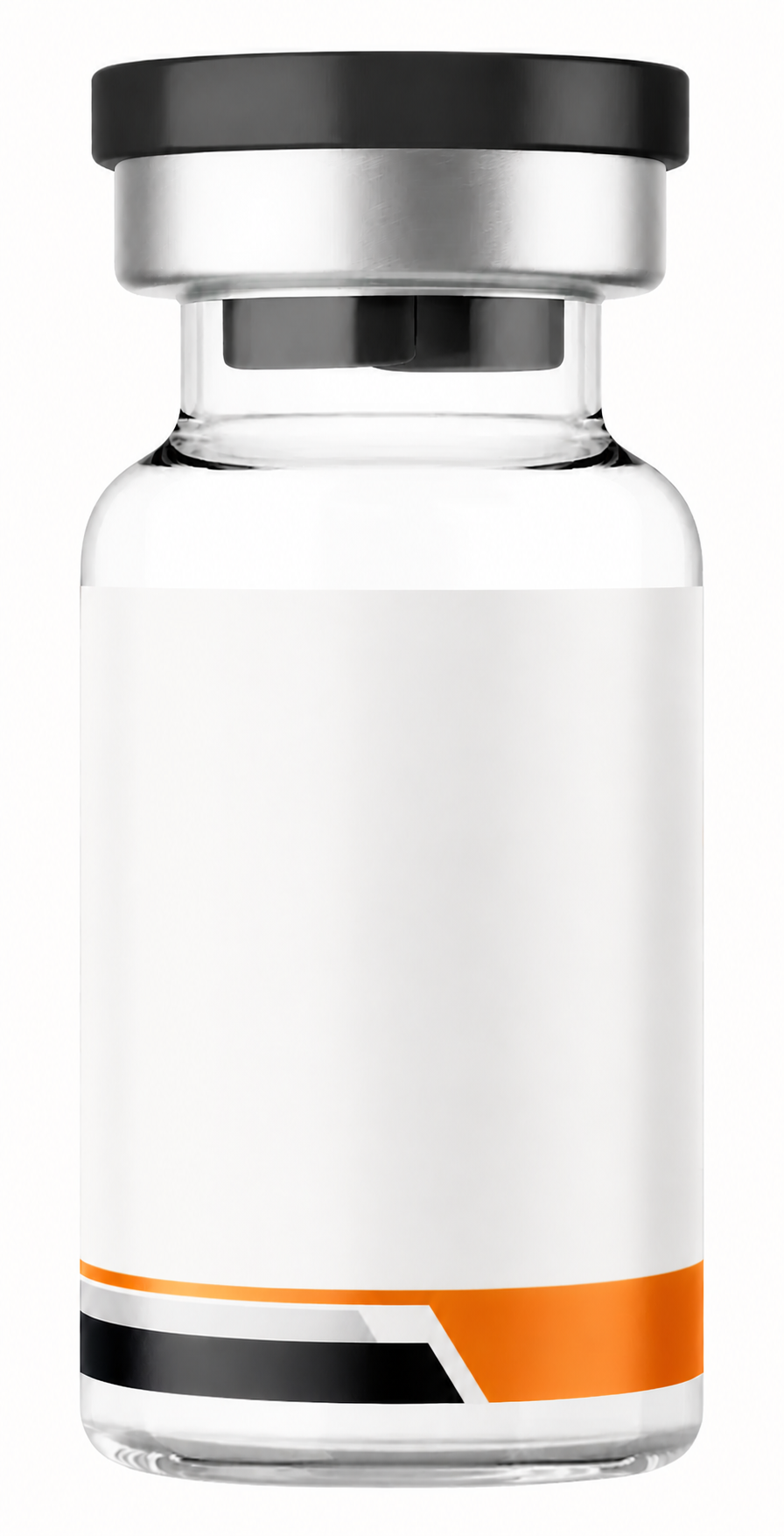
Representative Trenix Labs BPC-157 20mg research vial presentation
REPRESENTATIVE SAMPLE

KEY HIGHLIGHTS

Start with the research context.

01

15-amino-acid sequence

02

Mostly animal and cell research

03

VEGF and vascular-signaling models

04

Tissue-organization research

05

No established human mechanism

EXPLORE BPC-157

Understand the molecule.
Understand the limits.

01

What is BPC-157?

BPC-157 is a synthetic 15-amino-acid peptide described as a fragment related to a gastric protein. Most published work consists of cell, tissue, and animal experiments. It is commonly used as a research probe in models involving gastrointestinal tissue, vasculature, tendons, muscle, and other repair-associated systems.

02

How does it work in research?

Preclinical studies explore several proposed pathways rather than one confirmed molecular target. Reported models include VEGF-associated angiogenic signaling, nitric-oxide-system interactions, endothelial behavior, fibroblast activity, and cell-survival or migration pathways. These observations are model-dependent and do not establish a mechanism in humans.

03

Why do researchers study it?

Researchers use BPC-157 to ask how repair-associated signals change after experimental injury or inflammatory stress. Common endpoints include histology, vascular markers, collagen organization, cell migration, and tissue-specific biomarkers. A change in one of these endpoints is a research observation—not proof of a therapeutic benefit.

04

What sets it apart?

BPC-157 is notable for the breadth of preclinical systems in which it has been examined, but that breadth can be misleading. Many publications come from a limited set of research groups, and there is no widely accepted receptor-level mechanism that explains all reported effects.

EVIDENCE BOUNDARY

What the research
doesn’t establish.

Human exposure, pharmacokinetic, dose-response, and safety data are limited. Animal injury models do not predict clinical safety or effectiveness. Product identity, peptide-related impurities, aggregation, sterility, and route-specific risks require separate evaluation.

ImportantThis information describes areas of scientific study. It is not evidence that a product is safe or effective, and it does not provide directions for use.

READ THE SOURCES

Trace the research.

These links provide context for the pathways and limitations described above. Studies of an ingredient or related molecule do not validate a specific Trenix batch or blend.

LOCAL FOLLOW-UP

Interested in BPC-157?

Submit a research-product request and our local team will follow up about availability and documentation.

Start a request ↗