FOR RESEARCH PURPOSES ONLYNot for human or veterinary consumption or use.This page is educational research context—not medical advice.
← Back to catalog

GLW · RESEARCH PROFILE

Glow

Multi-peptide research blend

A 70mg research blend containing GHK-Cu 50mg, BPC-157 10mg, and TB-500 10mg for studies of intersecting extracellular-matrix, repair, and cell-migration pathways.

RESEARCH FOCUSMatrix, repair & cell-migration pathways
VIAL SIZE70mg
LOCAL PRICE$90
COMPOSITION PER VIAL

GHK-Cu50mg

BPC-15710mg

TB-50010mg

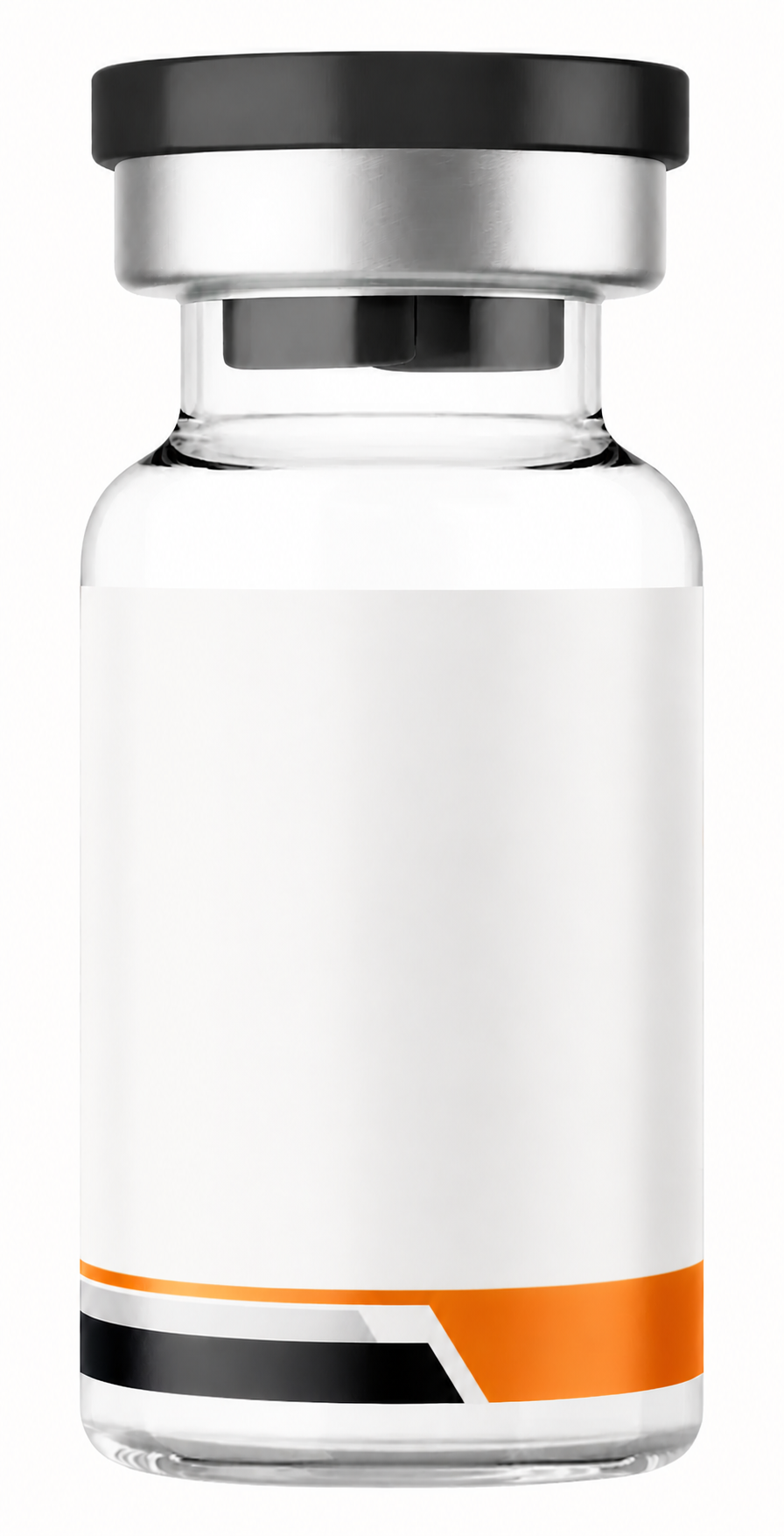
Representative Trenix Labs Glow 70mg research vial presentation
REPRESENTATIVE SAMPLE

KEY HIGHLIGHTS

Start with the research context.

01

GHK-Cu 50mg

02

BPC-157 10mg

03

TB-500 10mg

04

Matrix and repair research

05

No unified blend mechanism

EXPLORE GLOW

Understand the molecule.
Understand the limits.

01

What is Glow?

Glow is a three-component research blend containing GHK-Cu 50mg, BPC-157 10mg, and TB-500 10mg. GHK-Cu is a copper-binding tripeptide, BPC-157 is a synthetic 15-amino-acid peptide, and TB-500 refers to thymosin-beta-4-related material. They remain distinct components rather than one molecule.

02

How does it work in research?

GHK-Cu is studied for copper transport and extracellular-matrix signaling, including collagen, glycosaminoglycan, and remodeling pathways. BPC-157 is explored in vascular and repair-associated preclinical models. Thymosin beta 4 is examined for actin dynamics, cell migration, and wound-model signaling. The combined formulation’s stability and pathway interactions require direct testing.

03

Why do researchers study it?

A researcher might use the blend to explore whether matrix remodeling, vascular signaling, and cell migration change together. Informative designs need controls for every component and the complete blend; otherwise the source of an observed effect cannot be determined.

04

What sets it apart?

Glow combines a copper-binding matrix signal with two different repair-associated research categories. That may support exploratory screening, but it also creates interpretive uncertainty. Copper binding, peptide degradation, component ratios, and assay timing may change the result independently of the proposed biological pathways.

EVIDENCE BOUNDARY

What the research
doesn’t establish.

The exact blend has not been validated as a unified mechanism, and synergy is not established. Findings about full-length thymosin beta 4 should not automatically be applied to a TB-500 fragment or blend. GHK-Cu and BPC-157 have route- and product-specific safety concerns and important human data gaps.

ImportantThis information describes areas of scientific study. It is not evidence that a product is safe or effective, and it does not provide directions for use.

READ THE SOURCES

Trace the research.

These links provide context for the pathways and limitations described above. Studies of an ingredient or related molecule do not validate a specific Trenix batch or blend.

LOCAL FOLLOW-UP

Interested in Glow?

Submit a research-product request and our local team will follow up about availability and documentation.

Start a request ↗