FOR RESEARCH PURPOSES ONLYNot for human or veterinary consumption or use.This page is educational research context—not medical advice.
← Back to catalog

NAD · RESEARCH PROFILE

NAD+

Nicotinamide adenine dinucleotide

A naturally occurring coenzyme central to cellular redox reactions and energy metabolism. Its established biochemical role should not be treated as evidence for a finished formulation or route.

RESEARCH FOCUSCellular redox & energy metabolism
VIAL SIZE500mg
LOCAL PRICE$80
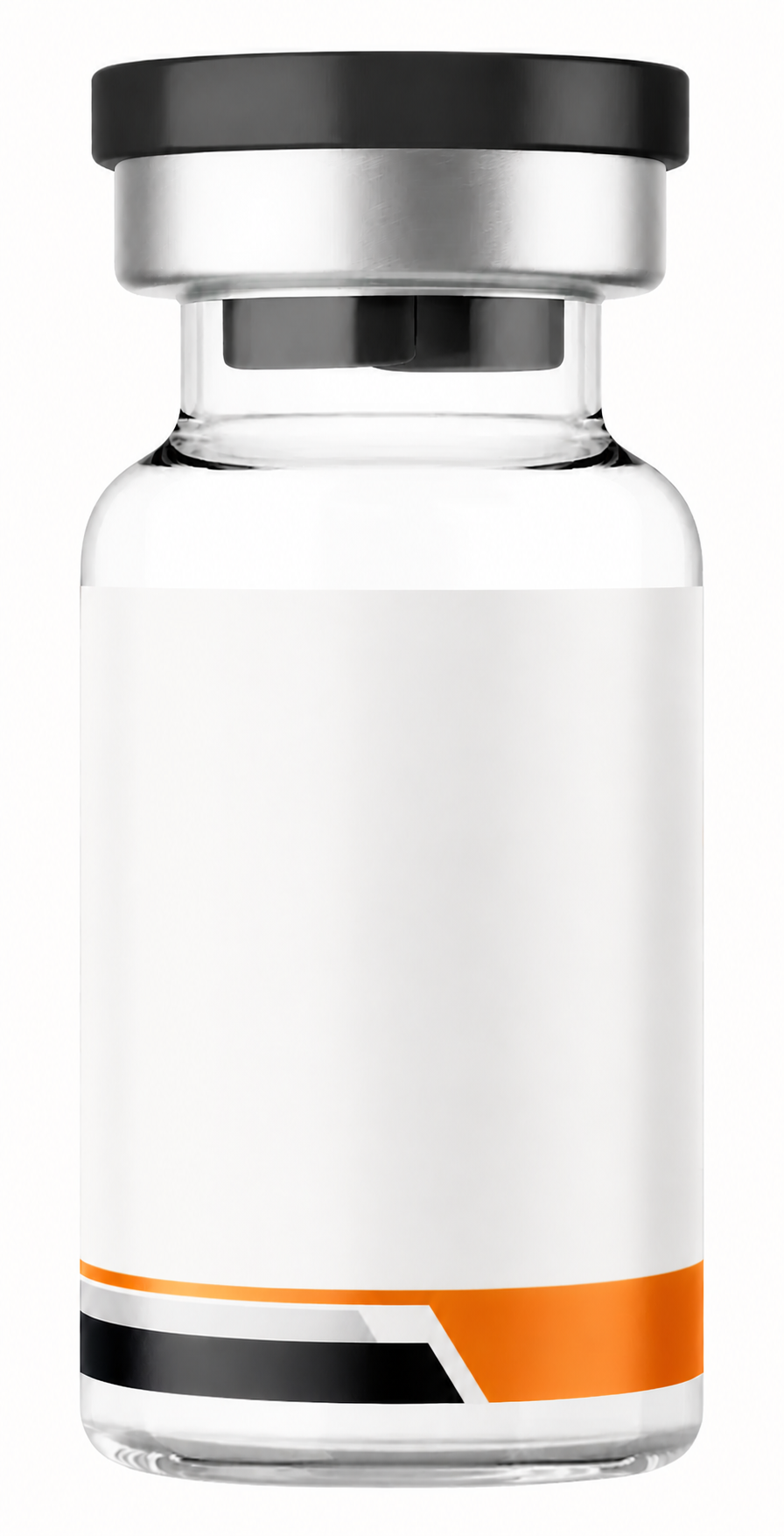
Representative Trenix Labs NAD+ 500mg research vial presentation
REPRESENTATIVE SAMPLE

KEY HIGHLIGHTS

Start with the research context.

01

Cellular redox coenzyme

02

Electron-transfer reactions

03

Sirtuin and PARP substrate

04

Compartment-specific biology

05

Not itself a peptide

EXPLORE NAD+

Understand the molecule.
Understand the limits.

01

What is NAD+?

NAD+—nicotinamide adenine dinucleotide—is a naturally occurring coenzyme found in every living cell. It is not a peptide. Cells synthesize and recycle NAD+ through multiple pathways, and separate pools exist across the nucleus, cytosol, and mitochondria.

02

How does it work in research?

NAD+ accepts and donates electrons as it cycles with NADH during glycolysis, the citric-acid cycle, oxidative phosphorylation, and other reactions. It is also consumed by enzymes including sirtuins, PARPs, and CD38. Those roles connect cellular redox state with protein regulation, DNA-damage responses, signaling, and metabolism.

03

Why do researchers study it?

Researchers measure or manipulate NAD+ pools to investigate metabolic flux, mitochondrial function, DNA repair, cellular stress, and age-associated changes. Experimental design must distinguish intracellular NAD+ biology from what happens to externally supplied NAD+, which may be degraded, transported, or distributed differently.

04

What sets it apart?

Unlike a receptor agonist, NAD+ is a ubiquitous metabolite and enzyme substrate. Its meaning depends heavily on cellular compartment, redox state, concentration, timing, and which NAD-consuming pathways are active. Raising total NAD+ does not guarantee the same change in every organelle or pathway.

EVIDENCE BOUNDARY

What the research
doesn’t establish.

The well-established necessity of NAD+ inside cells does not prove that a finished product, concentration, or administration route produces a desired outcome. External NAD+ and its precursors are not interchangeable. Formulation, stability, uptake, metabolism, and model-specific effects require direct study.

ImportantThis information describes areas of scientific study. It is not evidence that a product is safe or effective, and it does not provide directions for use.

READ THE SOURCES

Trace the research.

These links provide context for the pathways and limitations described above. Studies of an ingredient or related molecule do not validate a specific Trenix batch or blend.

LOCAL FOLLOW-UP

Interested in NAD+?

Submit a research-product request and our local team will follow up about availability and documentation.

Start a request ↗